Why Brown Stones Is the Playful SVG Font Your Designs Need
There's a particular kind of design problem every creative professional faces at some point: you need typography that feels warm, approachable, and unmistakably human, but you also need it to look polished and intentional. Too many fonts lean too far in one direction. They're either stiff and corporate or so casual they look like an afterthought. Finding that sweet spot—a typeface that carries personality without sacrificing credibility—is harder than it sounds. That's exactly where a font like Brown Stones enters the conversation.
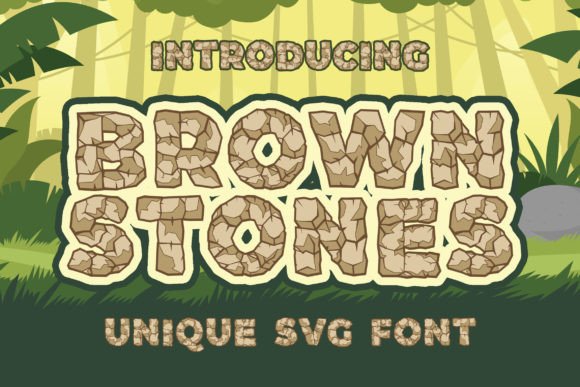
Brown Stones is an SVG color font inspired by playful typography. If you've never worked with color fonts before, here's the short version: unlike traditional fonts that render in a single flat color, SVG color fonts can contain multiple colors, textures, gradients, and even hand-painted effects built directly into each glyph. The result is a typeface that looks like it was designed by hand, complete with the warmth and imperfection that gives handcrafted lettering its charm. When you type with Brown Stones, the characters arrive already textured and tonal, which means less time fiddling with layer styles and effects in your design software and more time actually creating.
A Font That Bridges Craft and Professional Design
What makes Brown Stones particularly interesting is its versatility. The word "playful" might make you think of children's birthday invitations or scrapbook layouts, and yes, it works beautifully for those. But limiting this font to one category would be a mistake. Its textured, multi-tonal appearance gives it a presence that works across a surprisingly wide range of projects.
Consider branding for a small bakery, a boutique coffee roaster, or an independent candle maker. These businesses often need visual identities that feel artisanal and genuine. A standard sans serif font communicates efficiency, sure, but it doesn't tell a story about hand-poured wax or slow-roasted beans. Brown Stones, with its organic texture and handcrafted feel, speaks that visual language immediately. It signals that something was made with care, not mass-produced on a factory line.
The same principle applies to packaging design. On a shelf crowded with products competing for attention, typography that looks and feels different stands out. A label set in a textured color font has a tactile quality that flat text simply can't replicate. Customers don't just read it—they almost feel it.
Practical Applications Across Your Creative Work
If you're a content creator or social media manager, you already know how critical it is to stop the scroll. Headlines and text overlays on Instagram posts, Pinterest pins, and YouTube thumbnails need to be legible at a glance while also conveying a mood. Brown Stones handles that balance well. Its playful letterforms draw the eye, and because the texture is built into the font itself, you don't need to add extra design elements to make your text look interesting. Type it out, choose a background, and you're often done.
For bloggers and website owners, Brown Stones works best as an accent font rather than a body text choice. Use it for section headers, pull quotes, or featured callouts on a homepage. Pair it with a clean sans serif font for paragraphs, and you get a layout that feels dynamic without becoming exhausting to read. That contrast between a textured display font and a straightforward reading font is one of the most reliable strategies in modern typography, and it's one that even non-designers can execute well.
Print materials benefit enormously from this kind of typeface. Think about event posters for a local art fair, a farmer's market, or a community workshop. These projects need to feel inviting and accessible, not corporate. Brown Stones delivers that warmth while still looking intentional enough to feel professional. The same goes for greeting cards, invitations, and thank-you notes—places where personal touch matters and where a generic font can make a design feel flat.
Then there's the world of merchandise and digital products. If you sell t-shirts, mugs, tote bags, or printable wall art through an online shop, the typography you choose is essentially your product. A witty phrase or an inspirational quote rendered in a distinctive font like Brown Stones becomes something people actually want to buy and display. The SVG color font format means the texture and color variation are already part of the design, which can streamline your production workflow considerably.
Making Typography Work for Your Brand Identity
Choosing the right font for a project isn't just about aesthetics—it's about communication. Every typeface carries associations, whether we're conscious of them or not. A sleek geometric sans serif suggests modernity and precision. A traditional serif font implies authority and timelessness. A handwritten or script font evokes intimacy and personal connection. Brown Stones sits in a space that communicates creativity, approachability, and authenticity.
That makes it an excellent choice for brands that want to feel human. If you're building a personal brand as a coach, artist, or creative entrepreneur, your typography should reflect the personality behind the business. A font with visible texture and handcrafted character tells your audience that you value craft and individuality. It's a subtle signal, but it accumulates over time as people encounter your brand across different touchpoints—your website, your social channels, your printed materials, your packaging.
Visual consistency is one of the most underestimated aspects of brand recognition. When you use the same typeface across multiple platforms and formats, you create a thread that ties everything together. People start to recognize your brand before they even read the words. Brown Stones, used consistently as a headline or accent font, can become that recognizable element. Just make sure you're pairing it with complementary fonts for body text and supporting copy. A good font pairing—say, Brown Stones with a neutral sans serif like a clean grotesque or a simple geometric—keeps your designs balanced and readable.
A Few Things to Keep in Mind Before You Start
Before you commit to any font for a project, it's worth doing a quick compatibility check. SVG color fonts are supported by most modern design applications, including recent versions of Adobe Illustrator, Photoshop, and InDesign, as well as many web browsers. However, support can vary, especially in older software or certain online platforms. Test the font in your specific tools before building a full design around it.
Readability is another consideration. Display fonts with strong textures and personality are designed for headlines, logos, and short bursts of text—not for long paragraphs. Use Brown Stones where it shines: in titles, subheadings, featured quotes, and standalone phrases. For extended reading, switch to a simpler typeface that doesn't compete for attention.
If you're working on commercial projects, take a moment to review the licensing terms that come with the font. Most premium fonts, including many creative fonts available through design marketplaces, offer licenses for both personal and commercial use, but the specifics can vary. Understanding what's covered—whether it's a single project, unlimited projects, or specific media—saves you headaches down the road.
Finally, experiment with the font styles included in the package. Many premium fonts come with alternates, ligatures, or stylistic variations that give you more flexibility. Spending a few minutes exploring what's available can open up creative possibilities you hadn't considered and help you get more value from your design assets.
Whether you're designing a logo for a new venture, putting together social media graphics for a product launch, or crafting invitations for an upcoming event, having a reliable creative font in your toolkit changes the way you approach projects. Brown Stones brings a distinctive voice to the table—one that's warm, textured, and unmistakably crafted. It won't be the right fit for every project, no font is. But for the ones where personality and authenticity matter, it's the kind of typeface that makes you wonder how you ever managed without it.